



Spring Vehicle Maintenance: A Complete Guide to Preparing Your Car for Warmer Weather
Spring Vehicle Maintenance: A Complete Guide to Preparing Your Car for Warmer Weather
Posted on March 6, 2026
Spring vehicle maintenance is all about getting your car ready after a tough winter dealing with cold temps, road salt, and all those challenging driving conditions we face here in Toronto. As the snow melts and the city starts warming up, it’s the perfect time to check your vehicle and make sure it’s in great shape for the warmer months ahead.
This guide walks you through the key spring car maintenance tasks every Toronto driver should know -whether you’re a DIY enthusiast or prefer taking your car to our always-reliable service centre. While we won’t cover major repairs here, these preventive tips will help keep your vehicle safe, reliable, and running smoothly all season long.
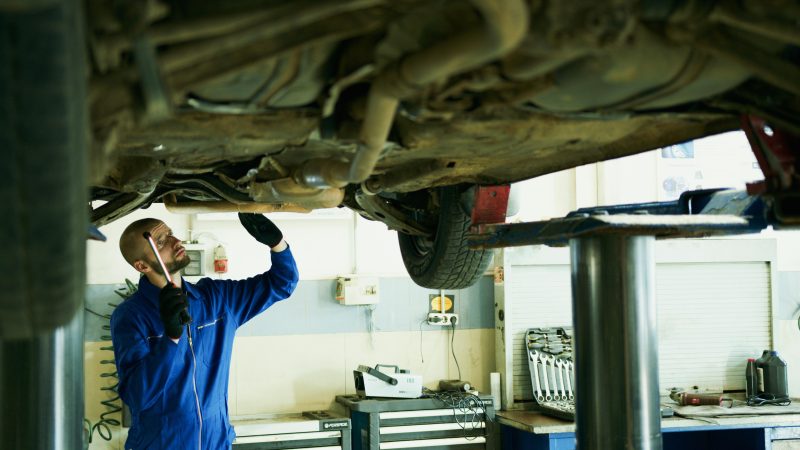
The Short Version
Spring maintenance involves systematically inspecting and servicing key systems affected by winter conditions (including tires, fluids, brakes, and battery) to ensure safe, reliable warm-weather driving while preventing costly repairs down the road.
By following this guide, you will:
- Optimize tire safety through proper rotation, air pressure adjustment, and seasonal changeover
- Restore fluid system health across engine oil, brake fluid, transmission fluid, and coolant
- Verify brake performance and identify worn brake pads before they compromise safety
- Ensure battery reliability after cold-weather strain
- Prevent rust and corrosion damage from accumulated road salt
What Are Spring Vehicle Maintenance Fundamentals?
Spring maintenance is your go-to post-winter checkup, helping you spot wear and tear, top off fluids, and fix parts stressed by Toronto’s chilly winters. Think of it as hitting the reset button; taking care of everything winter left behind so your car runs smoothly all spring and summer.
This isn’t just about keeping your ride in shape, it’s about saving you money and keeping you safe. Skipping spring maintenance is linked to about 15% of seasonal breakdowns, while cars that get a full tune-up see 30% fewer issues when the warmer weather hits. Staying on top of maintenance now means fewer headaches and costly repairs down the road.
Winter Damage Assessment
Winter driving leaves its mark on your vehicle, and once the season wraps up, it’s time to give your car some well-deserved attention. Road salt, packed with chlorides that speed up rust, tends to build up in your wheel wells and undercarriage, which can cut the lifespan of your body panels by 20-30% if you don’t deal with it. Plus, the chilly temperatures cause tire pressure to drop about 1 PSI for around every 5.5°C, so tires that were perfectly inflated in the fall might now be running low.
But it’s not just the visible stuff, winter also takes a toll on your car’s internal systems. Car batteries can lose up to half their cranking power in freezing weather, and engine oil thickens in the cold, making it work harder to keep your engine protected. Knowing these winter wear patterns helps you focus on what needs fixing first.
Seasonal Transition Requirements
Temperature-dependent components require specific adjustments as you transition into spring. Winter tires, designed with softer rubber compounds for cold grip, begin degrading rapidly when average temperatures exceed around 7°C, hardening above about 4.5°C reduces grip and accelerates wear by up to 50%. This makes early spring the ideal window for switching to all season tires.
Similarly, your braking system may show signs of winter stress through corroded rotors or depleted brake fluid that absorbed moisture during humid winter conditions. Engine oil that performed adequately in cold starts may now benefit from a fresh oil change with the appropriate viscosity for warmer weather. These temperature-driven requirements create a logical sequence: assess damage first, then address fluid services, followed by mechanical systems.
Essential Fluid and Filter Services
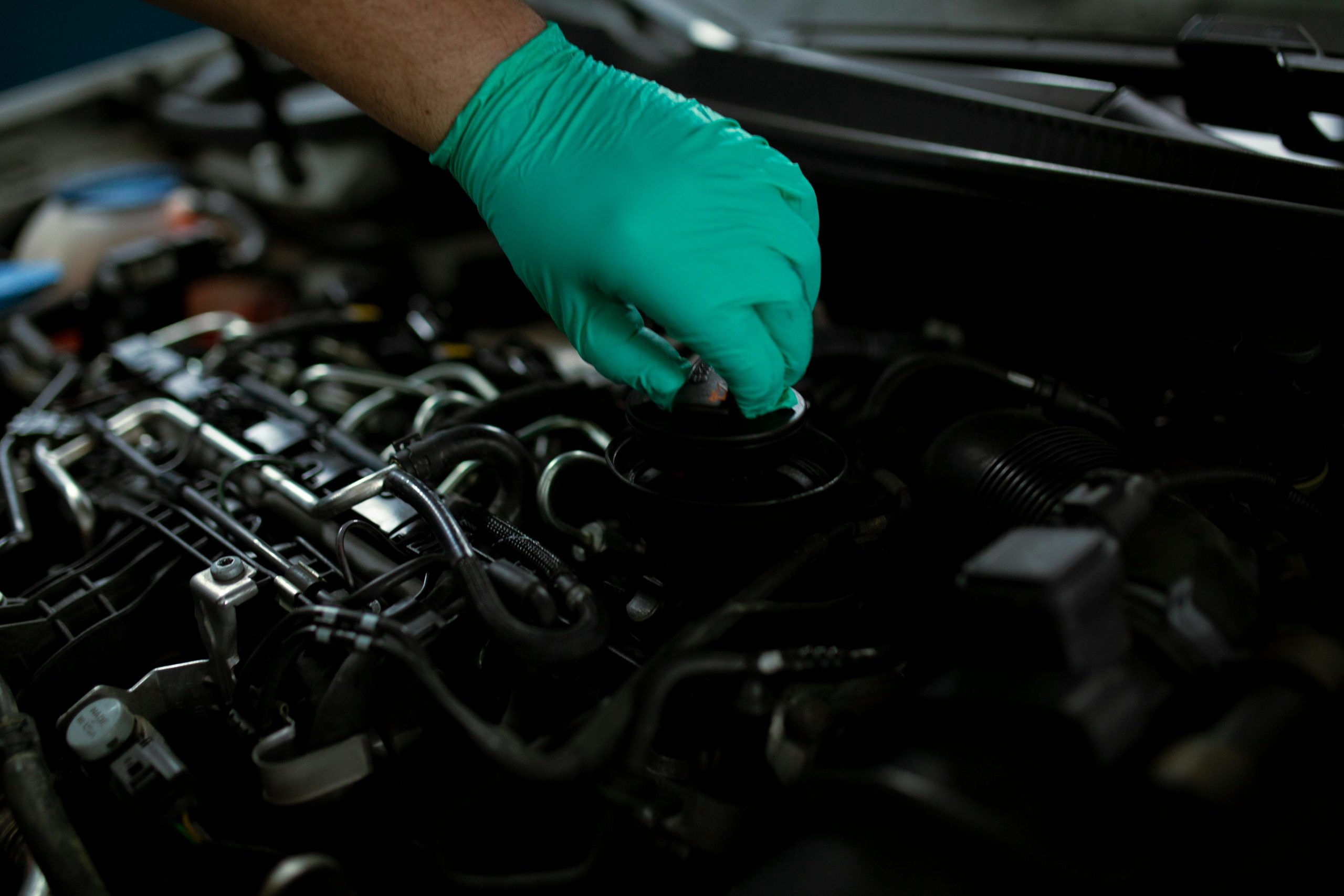
Regular oil changes are a key part of vehicular maintenance, especially during the changing of the seasons.
Winter’s impact on vehicle fluids extends beyond simple depletion. Cold temperatures cause oils to thicken, while condensation introduces moisture into sealed systems. Spring presents a great time to inspect, test, and replace fluids that may have degraded during months of cold-weather operation.
Engine Oil and Filter Changes
Engine oil works extra hard during our cold Toronto winters, thickening in sub zero temperatures and sometimes forming sludge that reduces how well it lubricates your engine. When you check your dipstick, make sure the oil level is between the min and max marks (when the engine is cool) and look at the color; clear amber means healthy oil, but if it’s black or gritty, it’s time for a change. Running low on oil or using old, degraded oil can speed up engine wear.
These days, many drivers opt for synthetic blends like 5W-30, which cut cold-start engine wear by up to 40% compared to regular oils, making them a smart pick for your spring oil change. Most vehicles need an oil change every 4,800 to 12,000 kilometres depending on the oil type and how you drive, so be sure to check your owner’s manual for the best schedule. And don’t forget the oil filter, it catches the gunk that can otherwise circulate through your engine.
Brake and Transmission Fluid Checks
Brake fluid absorbs approximately 2% water annually through normal exposure, and winter’s humidity accelerates this contamination. Locate your brake fluid reservoir under the hood and verify the level falls between minimum and maximum marks. Darkened fluid indicates moisture contamination that can extend stopping distances by 10-20 feet at highway speeds, a safety concern worth addressing immediately.
Transmission fluid tells its own story through color: healthy fluid appears pink or red, while brown or burnt-smelling fluid suggests internal wear requiring professional attention. Power steering fluid should appear clear without cloudiness, ensuring responsive steering as you navigate spring showers and wet roads.
Coolant System Inspection
Your coolant system kept your engine from freezing all winter, now it’s time to make sure it’s ready to keep things cool as the temperatures climb. Check that the coolant reservoir has the right 50/50 mix of coolant and water, and that the levels are within the marked range. Running low on coolant can cause your engine to overheat once temperatures go above 100°C, which can lead to serious damage.
Take a good look at your radiator hoses for any bulges, cracks, or soft spots, signs that the cold Toronto winter might have made them brittle. These hoses operate under pressure (around 1 bar), so any weakness could cause a sudden failure when you least expect it. It’s better to replace any questionable hoses now than to risk a breakdown on a hot spring day.
Fluid Maintenance Priorities:
- Engine oil: check level and condition, change if due or degraded
- Brake fluid: verify level and clarity, flush if contaminated
- Transmission/power steering fluid: inspect color for signs of wear
- Coolant: confirm proper mix ratio and adequate levels
These fluid services prepare your vehicle’s vital systems for increased warm-weather demands.
Tire and Brake System Maintenance
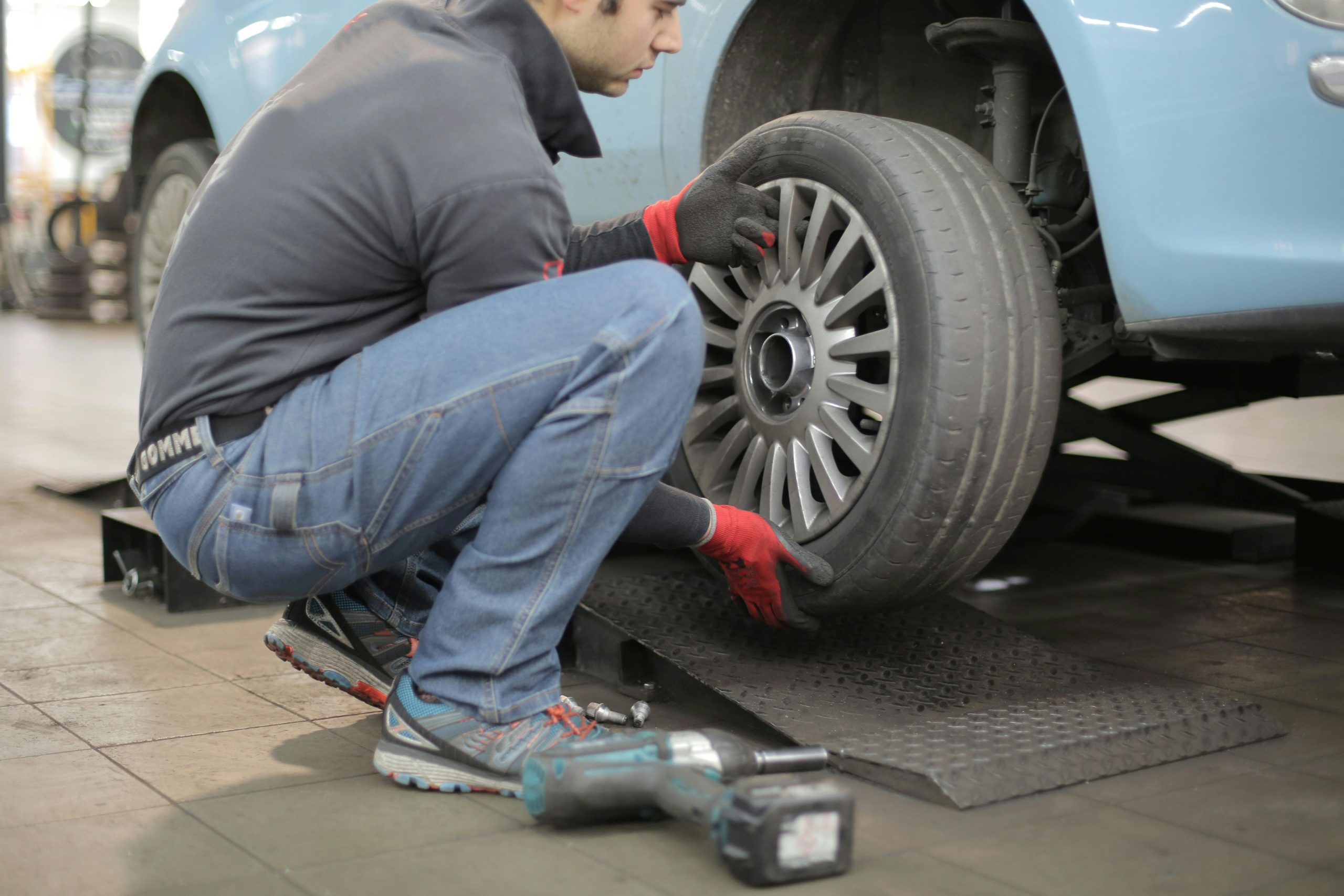
Swapping out your seasonal tires is important for making sure you get the most out of their lifespan.
With fluid systems addressed, mechanical components deserve equal attention. Your tires and brakes worked hard through winter, absorbing pothole impacts, managing slippery surfaces, and enduring salt exposure. Spring inspection ensures these safety-critical systems perform reliably for the driving season ahead.
Winter to Summer Tire Transition
Winter tires lose their grip as temperatures climb, so switching them out in spring is crucial for both your safety and the longevity of your tires. The rubber in winter tires starts to harden above 7°C, which means less traction and faster, uneven wear.
- Swap out your winter tires once the average temperature consistently stays above 7°C; keeping them on longer can cause them to wear out up to 50% faster.
- Check your tire tread using the penny test: place a penny into the tread with the King's head facing down. If you can see the entire head, your tread is below the 4/32 inch mark, and it might be time for new tires.
- Make sure your tire pressure matches the specs on your vehicle’s door sticker or owner’s manual, usually around 30-35 PSI (about 207-241 kPa). Proper inflation helps with fuel efficiency and tire wear.
- Rotate your tires regularly, every 8,000 to 13,000 kilometres, following your vehicle’s recommended pattern (usually front-to-back for front-wheel drive or a crisscross pattern for rear-wheel drive) to even out wear and extend their life.
Keep a close eye on your front tires, especially if you drive a front-wheel-drive vehicle, as they tend to wear out faster. Uneven wear could also mean your wheels need an alignment check, which is a common issue after Toronto’s pothole-filled winters.
Brake System Component Analysis
Your braking system takes a real beating during Toronto winters, from salt corrosion on rotors to potholes that can damage key parts. A thorough spring checkup helps catch any issues before they become safety hazards.
| Component | What to Look For | Warning Signs | What to Do |
|---|---|---|---|
| Brake pads | At least 3/16” thick | Squeaking, grinding, or visible wear | Replace worn brake pads right away |
| Rotors | Smooth surface, no grooves | Deep scoring (>0.005”), warping causing vibration over 40 km/h | Resurface or replace |
| Brake fluid | Clear and between min/max | Dark color, low level | Flush and refill the system |
| Brake lines | No rust or corrosion | Salt damage or moisture buildup | Get a professional inspection |
If you feel any vibration when braking or notice your car pulling to one side, stop in to Woodbine GM and have one of our mechanics check it out ASAP. Worn pads and corroded parts from winter salt are common problems here in Toronto and can get worse fast without attention.
Since spring rains and wet roads are just around the corner, it’s important to deal with these issues now to keep your brakes reliable and your drives safe.
What Are Some Common Spring Maintenance Challenges?
Post-winter vehicles commonly exhibit specific problems that drivers frequently overlook. Addressing these challenges during your spring maintenance routine prevents minor issues from becoming costly repairs.
Road Salt Corrosion
Road salt builds up in your wheel wells, undercarriage, and brake parts, speeding up rust that can weaken your vehicle’s structure in just a few weeks.
What to do: Give your car’s undercarriage a thorough wash using a high-pressure sprayer or an undercarriage cleaning service. Make sure to focus on the wheel wells where salt tends to collect the most. After cleaning, apply a coat of wax to your car’s body panels to create a water-repellent barrier that protects against spring rains and helps prevent water spots.
Battery Performance Degradation
Your car battery works extra hard during the winter months, often losing some of its cranking power in the cold. While batteries usually last between 3 to 5 years, many springtime roadside assistance calls (about 40%) are due to battery failures after winter.
What to do: Use a voltmeter to check your battery’s voltage, healthy ones should show around 12.6V at rest and stay above 9.6V while starting the engine. Make sure to clean the battery terminals with a wire brush to remove any corrosion, then apply dielectric grease to keep oxidation at bay. If your battery is struggling to start your car or showing signs of weakness, it’s a good idea to replace it now before the warmer weather hides issues that could come back next winter.
Worn Wiper Blades and Visibility Issues
Windshield wiper blades take a real beating during winter from ice scraping and debris, usually lasting about 6 to 12 months before you start noticing streaks on your windshield.
What to do: Check your wiper blades for cracks, tears, or stiff rubber that causes streaking. It’s best to replace both blades; using worn wipers during spring showers can seriously affect your visibility when you need it most. Don’t forget to top up your washer fluid with a formula that’s great for cutting through spring pollen and road grime.
Also, remember to check your air filters during spring maintenance. A clogged cabin air filter can cut your HVAC airflow by up to half, and a dirty engine air filter can lower your fuel efficiency by around 10%. Luckily, replacing both is a quick and easy way to boost comfort and performance, and you can find plenty of options at our auto parts centre.
Conclusion and Next Steps

Ensure your vehicle is ready for road trip season with Woodbine GM!
Spring vehicle maintenance represents your opportunity to reset after winter’s punishment and prepare for reliable warm-weather driving. By systematically addressing fluids, tires, brakes, and electrical systems, you protect your investment while ensuring your family’s safety on the road.
Immediate DIY Actions:
- Wash undercarriage and wheel wells to remove road salt
- Check all fluid levels and conditions under the hood
- Inspect tire pressure and tread depth
- Test battery voltage and clean terminals
- Replace worn windshield wiper blades
- Check air filter condition and replace if dirty
Professional Service Options:
- Schedule a comprehensive spring inspection with our trusted mechanics
- Request brake system evaluation if you noticed any warning signs
- Consider wheel alignment check if you experienced pothole impacts
- Have suspension components inspected for hidden winter damage
Looking ahead, summer maintenance focuses on air conditioning performance and cooling system efficiency, while fall brings winterization tasks that complete the seasonal care cycle. Establishing this regular maintenance routine keeps your vehicle in top condition year-round while avoiding the emergency repairs that cost significantly more than preventive care.
Professional Service Intervals: Most vehicles benefit from professional inspection every 12 months or around 20,000 kilometres, whichever comes first. Spring represents an ideal time to schedule this service, catching problems before summer road trips put additional demands on your vehicle.
Stay safe this season by giving your vehicle the attention it deserves after a long winter, and for all your automotive service needs, contact us today at Woodbine GM.